
Checking Criminal History in Amite
Amite’s parish-seat role gives residents a direct counter option that other city pages cannot offer. City-created reports remain with Amite Police. Municipal matters begin with Amite Court. Current parish custody appears through TPSO roster tools. District pleadings, minutes, judgments, and dispositions belong to the Tangipahoa Parish Clerk of Court at the 21st Judicial District Court.
The Town of Amite City’s official site is the source for current municipal routing.

The town gateway helps distinguish a city-office request from one directed to the parish courthouse.
- Ask Amite Police for the incident narrative when city officers created the report.
- Email Amite Court to identify a municipal matter and obtain its current copy process.
- Check TPSO LAVNS or TBS for current parish-jail custody and booking fields.
- Search the Clerk’s free Amite terminal or Criminal Record eSearch for a district case.
- Use a BCII fingerprint-based Right to Review for your own Louisiana-wide identity history.
Amite: City and Parish Seat
Amite is Tangipahoa Parish’s third-largest incorporated community and the parish seat. Its 2020 Census population was about 4,005. A newer QuickFacts estimate was not published for this under-5,000 place, so no later figure should be invented. The important record fact is location, not size: the main Clerk Criminal Department, judges’ chambers, district-court functions, and TPSO’s parish-jail operations are based in Amite.
Close proximity does not merge custody. The Clerk holds court files. TPSO holds jail and sheriff reports. Amite Police holds its own narratives. Amite Court holds municipal matters. A useful search routes a request by record type rather than sending the same broad demand to every office.
Amite Police Department Records
The official Amite administrative directory identifies police and court contacts. It does not expose a complete police records fee schedule, counter hours, public request form, or searchable arrest portal in the accessible result.
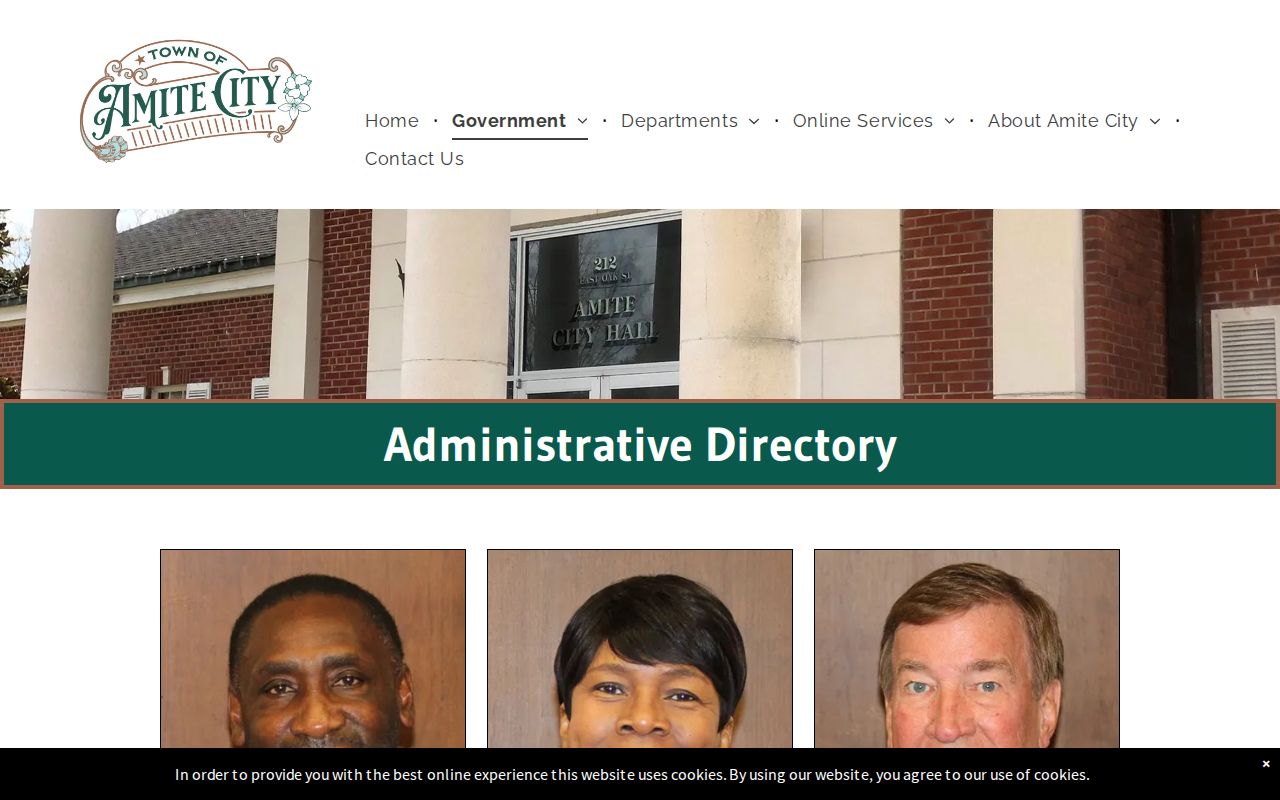
The directory confirms that municipal contact is the proper starting point, while missing details should be confirmed before a visit or payment.
Ask Amite Police for the report created by its officers. Include the date, time, place, incident type, report number if known, names, requested portion, delivery format, and cost limit. If the person was booked into the parish jail, request the booking from TPSO separately. A police narrative and jail intake are related but not interchangeable.
Free Amite Criminal Index Search
The Tangipahoa Clerk’s Criminal Department is at 110 North Bay Street, Suite 100, Amite, LA 70422. It is open Monday through Friday from 8:30 a.m. to 4:30 p.m. and can be reached at 985-748-4146. A visitor may search the department’s public computer without charge, then pay for copies. A written staff search costs $20 per name.
Online Criminal Record eSearch requires a separate account. Subscriptions cost $20 for 24 hours, $40 for 30 days, or $300 for a year. Printing is $1 per page. Criminal index information reaches back to 1901, though detail before the 1980s may be incomplete. Document images begin in January 2007 and older images continue to be back-scanned.
Amite Arrests and Bookings
An Amite Police arrest can lead to intake at Tangipahoa Parish Jail. Search LAVNS for roster and custody-notification functions or TBS for detailed “View” entries. A current roster reflects custody status, not guilt, and released bookings may disappear from the current view. For an older booking, contact TPSO’s Criminal Records Division.
TPSO’s Amite public number is 985-748-8147, with weekday office hours from 8:00 a.m. to 4:00 p.m. The division maintains arrest reports, attends court proceedings, and fulfills public requests for reports and local background checks. No official public form or report fee was located, so request an estimate. Use Amite Police for the creating agency’s narrative and TPSO for parish booking data.
Jail and Courthouse Custody Split
The jail and courthouse may both be associated with Amite, but their files answer different questions. A booking profile can show intake time, booking number, charge and bond fields, and release status. A district case file can show prosecutor filing, appearances, motions, pleas, judgment, sentence, and final disposition. Only the court record establishes the legal outcome.
If the roster and docket disagree, compare identifiers and dates. Obtain the final minute or certified disposition from the Clerk. Then send it to the custodian responsible for an inaccurate police, booking, or state-history segment. Do not ask the Clerk to change a TPSO booking entry, and do not ask TPSO to certify a court judgment.
Municipal Court Records in Amite
The city publishes amitecourt@townofamitecity.com as an official court contact. Use it to ask whether a charge is on a municipal docket or belongs to the 21st JDC. No public Amite municipal docket interface or complete local fee schedule was verified.
| Court Name | Amite City or Municipal Court; confirm the formal docket name by email. |
|---|---|
| Case Types Heard | Municipal matters within local authority; district criminal prosecutions are filed in the 21st JDC. |
| Case Lookup Channel | amitecourt@townofamitecity.com; no public city search portal confirmed. |
| What the Docket Shows | Request charge, filing, hearing, plea, judgment, sentence, and status information available in the file. |
| Copies & Fees | Ask the municipal court for current copy and certification charges. |
Amite Court Date Routing
For a district criminal date, call the District Attorney at 985-748-3234. The Clerk does not supply that date through its ordinary record-search channel, and a continuance requires the judge or DA. Judges’ chambers can be reached at 985-748-9445 and post 8:00 a.m. to 4:00 p.m. hours.
A transcript also differs from a copy. The 21st JDC requires a written transcript order signed by a judge. A criminal disposition costs $10 per name, a minute extract costs $10, and ordinary copies cost $1 per page plus any conformed or certified charge. Confirm channel-specific certification prices because the online service and FAQ list different products.
Where Amite Records Go
City police start the incident file. TPSO records parish-jail intake. The District Attorney screens referrals. Filed district matters become Clerk dockets, and qualifying arrest and disposition data may be reported to Louisiana State Police BCII. A municipal matter may remain with the Amite court instead.
Record flow: Amite Police › TPSO booking and prosecutor screening › Amite Court or 21st JDC › Louisiana State Police BCII
The right source depends on timing. Use police and roster channels for a recent event, the Clerk for a filed district case, and the final court minute for disposition. BCII Right to Review is a fingerprint-based self-record channel, not a public name search.
Amite Files Before 2007
An online result without a document image does not prove that no file exists. The Clerk’s modern criminal images begin in January 2007, while index information reaches much farther back. For an older Amite case, note the docket number and contact the Criminal Department about the paper file or an image that has not yet been back-scanned.
Use the free onsite terminal before paying for staff verification when practical. Calling the Clerk to verify an online result can trigger the $20 criminal-history search fee. Ask for a quote that separates the search, pages, and certification. This is especially useful when an old index entry lacks enough modern detail to distinguish people with similar names.
Amite Expungement Filing Route
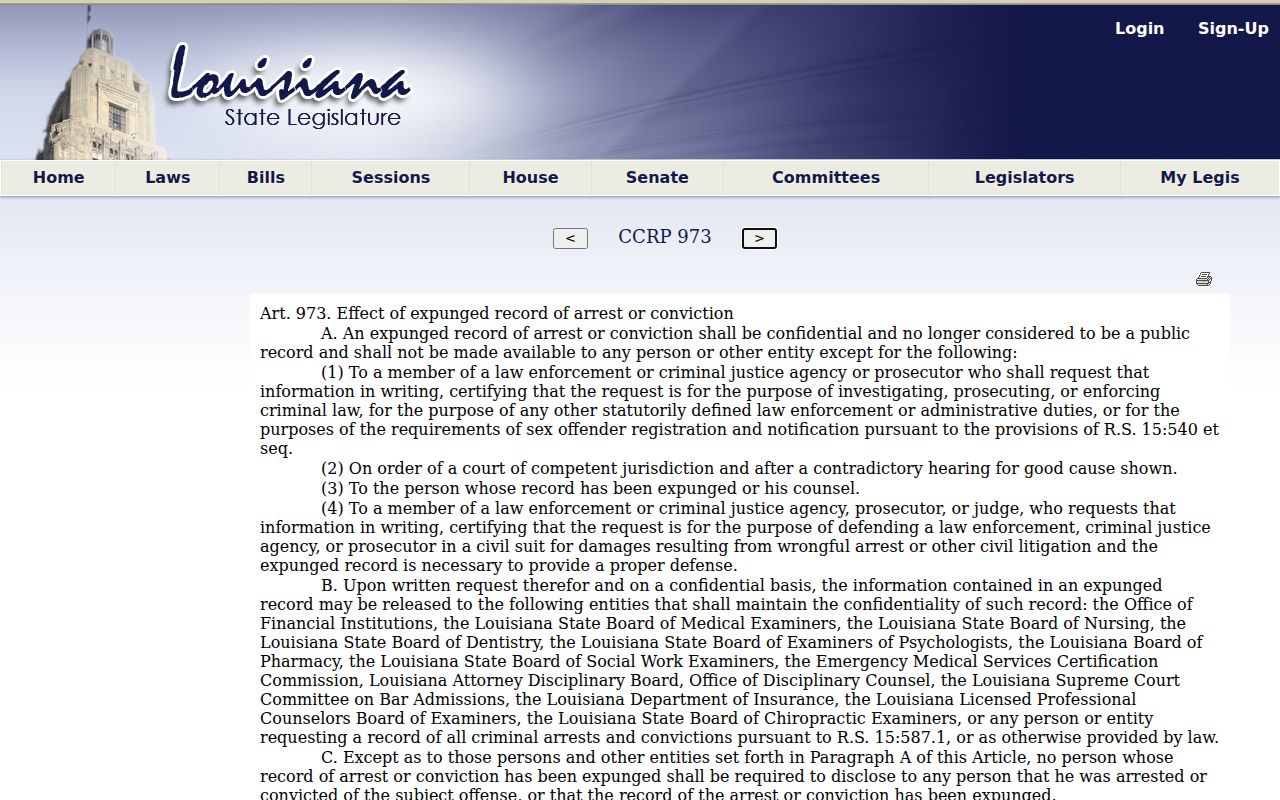
Louisiana expungement is filed with the Clerk in the court that holds the case. The Clerk no longer supplies its own forms and points people to statewide uniform materials or an attorney. The statutory purpose and effect of expungement explain that access is restricted rather than every copy being destroyed.
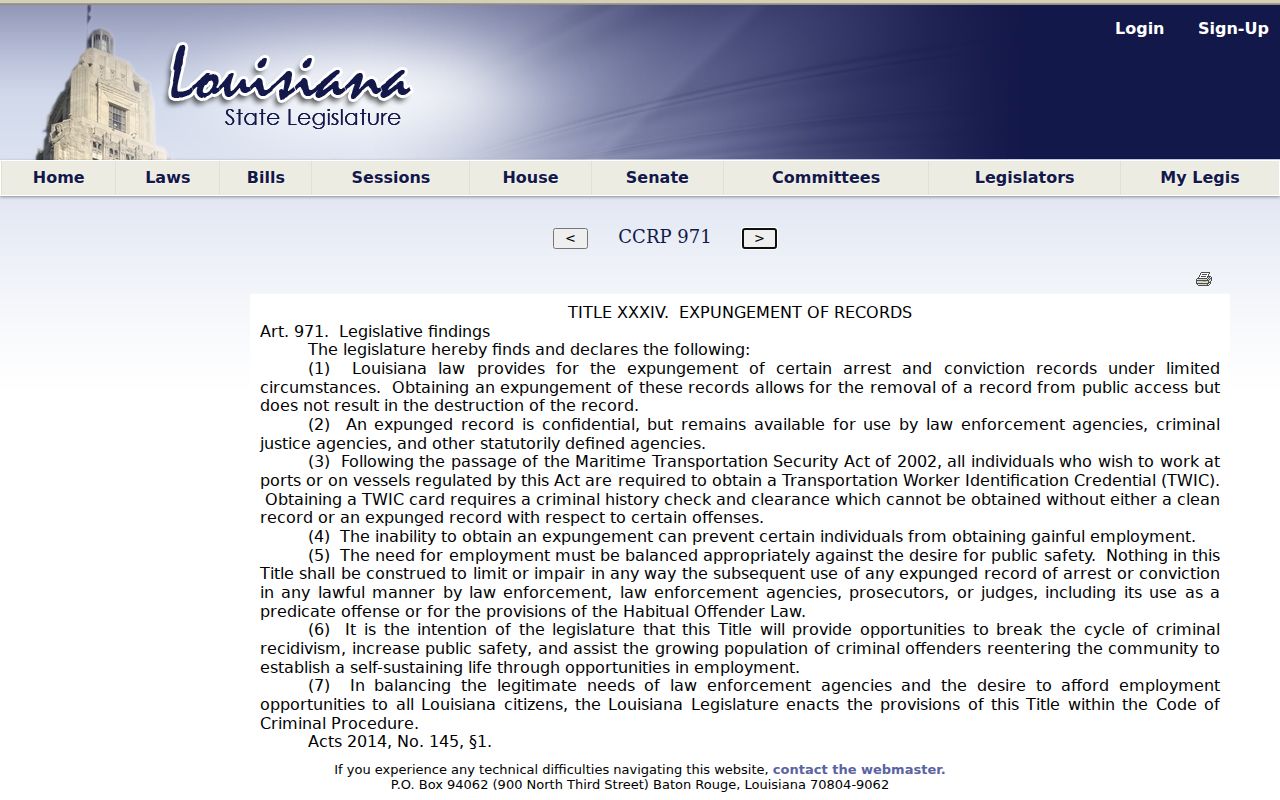
This distinction explains why authorized agencies may retain access after ordinary public access ends.
The felony expungement provisions set eligibility limits that must be checked against the actual case.
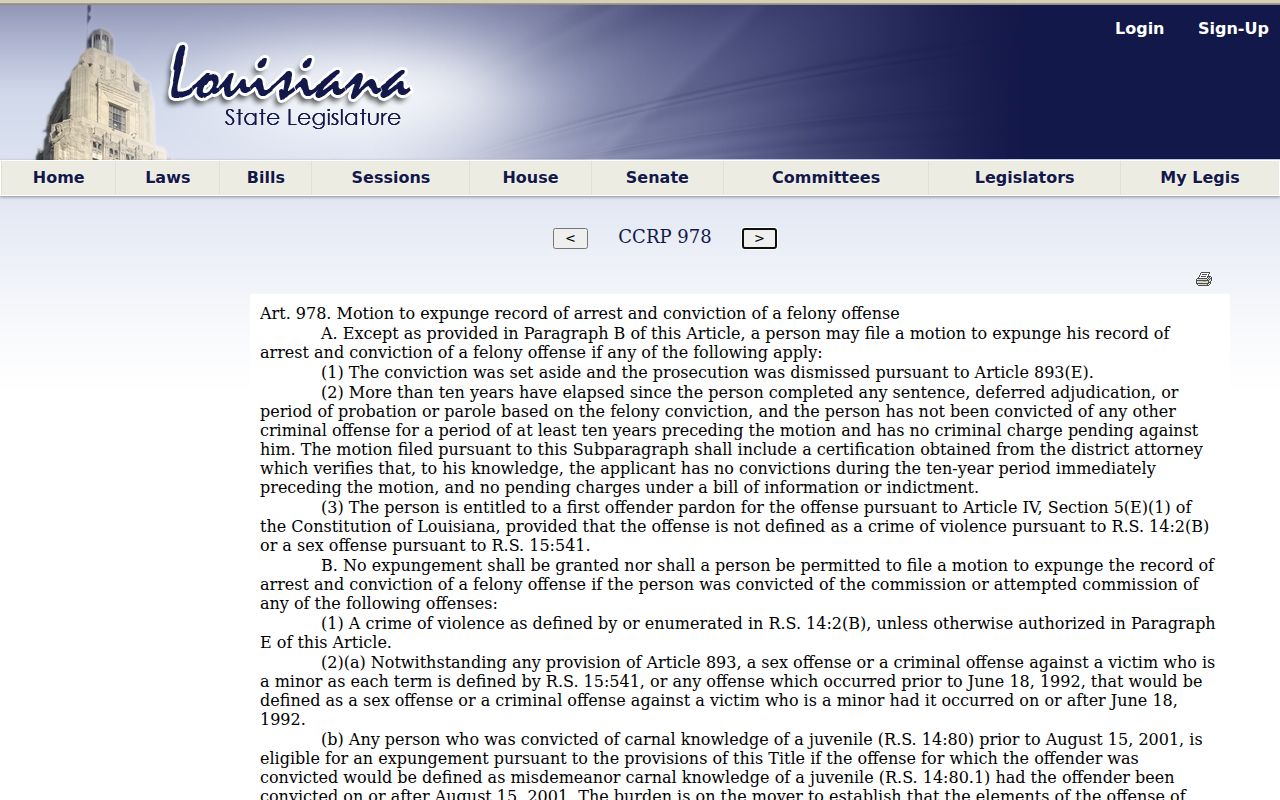
A conviction label alone is not enough to decide eligibility; the statute, disposition, waiting periods, and exclusions all matter.
After an Amite Expungement Order
The uniform Louisiana expungement order identifies the case, arresting agency, charges, disposition, legal grounds, and parties that receive notice.
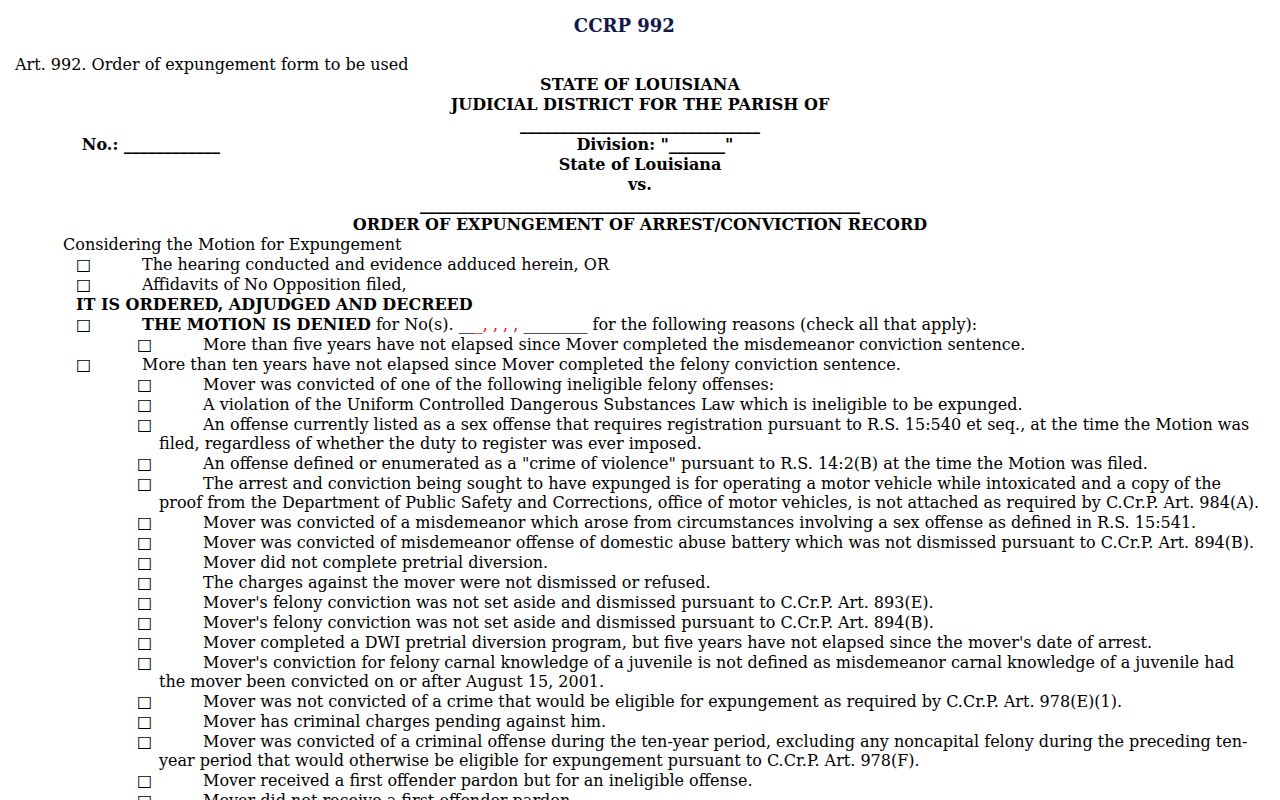
The uniform order creates a shared document for the Clerk, arresting agency, prosecutor, and BCII to process.
The Clerk estimates 60 to 120 days for a typical granted Tangipahoa expungement when no rule to show cause is required. After entry, obtain certified copies, recheck the public docket, and later order a BCII Right to Review. The confidentiality rule after expungement defines the resulting access limit.
If a public page still shows the event, give its custodian a certified order and the exact record or URL.
Choosing an Amite Copy Product
A search result, plain copy, conformed copy, certified copy, disposition, minute extract, and transcript are not the same product. A search result helps locate a case. A plain copy reproduces a page. A certified copy carries the Clerk's certification for uses that require official proof. A disposition is a concise result by name. A minute extract draws from court minutes. A criminal transcript requires a written order signed by a judge.
Tell the Clerk what document is needed without assuming the most costly version is required. Ask for a total that lists the search charge, page count, and certification add-on. The FAQ reports $1 per page, $3 more for a conformed copy, and $5 more for a certified copy, while the online service advertises $10 per certified document plus $1 per page. These are different channels, so confirm the quote.
For a correction, the final minute or certified disposition may be more useful than every pleading. For a hearing date, contact the DA. For the underlying Amite Police narrative, return to the city agency. Proper product selection saves time and copy cost.
Public Access Rules in Amite
Louisiana Public Records Law applies to city and parish custodians, subject to exceptions. Requests should be specific. Active investigations, juvenile material, victim-identifying details, medical information, protected identifiers, and security-sensitive jail information may be redacted or withheld. Ask for the legal basis of a denial and narrow the request when possible.
Key Statutes:
Louisiana Public Records Law supplies the public-access process and statutory exceptions.
Louisiana R.S. 15:587 limits criminal-history dissemination to authorized purposes and recipients.
Louisiana R.S. 15:588 authorizes the fingerprint-based BCII Right to Review.
The city’s lack of a confirmed online portal does not erase the right to make a focused request. It means the requester should confirm the current custodian, fee, format, and response method before sending funds.